
Weed Control and Fertilization in Chicago, IL
Feed the grass on the right dates and keep the weeds from taking over, so the lawn crowds them out instead of the other way around.
Weed control that starts with a thicker lawn
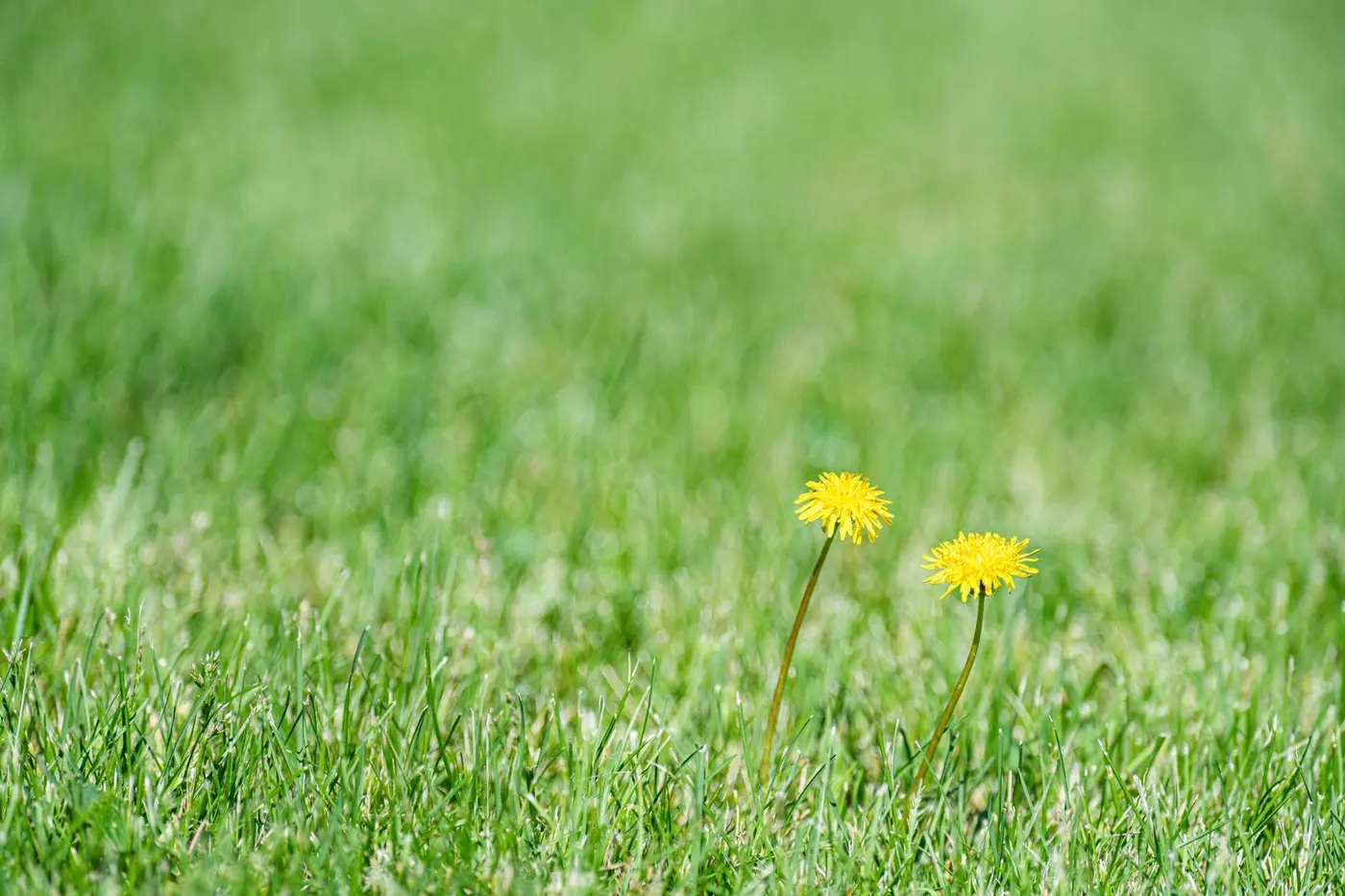
Weeds are mostly a symptom. A thin, underfed lawn leaves bare soil, and anything that blows in or sits dormant in the ground takes the opening. Dandelions, clover, plantain and creeping Charlie are the usual suspects in Chicago lawns, and crabgrass joins them once summer heat arrives. The long-term answer is feeding the turf so it thickens and shades out the competition.
Timing does most of the work. In the Chicago area, crabgrass prevention goes down in spring before the soil warms past the mid-fifties, and a well-timed feeding in September builds the roots of Kentucky bluegrass and fescue ahead of winter. Apply the right product at the wrong date and you have paid for nothing, which is why a calendar matters more than any single bag of fertilizer.
This page covers both halves of that work: fertilizer applications through the season and weed management on the lawn. It does not replace good mowing, and it works best alongside regular cuts at the right height, since a three-inch lawn shades the soil and keeps weed seeds from sprouting.
Signs your lawn needs feeding or weed control
- Yellow dandelions or clover patches are spreading across the lawn every spring.
- The grass looks pale or yellow-green even though it is watered and mowed.
- Creeping Charlie is running along the shaded side of the house or under trees.
- Crabgrass fills in thin spots in July and August.
- Bare patches keep returning after summer heat, pets or foot traffic.
- The lawn greens up slowly in spring and looks tired by late summer.
- You have overseeded or aerated and want to feed the new grass.
How a feeding and weed program works
Look at the lawn
We check what is growing, how thick the turf is and where the weeds are concentrated, and ask what has been put down before.
Set the calendar
A program is built around the Chicago-area seasons: spring feeding and crabgrass prevention, early summer weed work, and fall feeding.
Apply and follow up
Each application is made at the right rate for the lawn size. Spot treatment handles weeds that show up between rounds.
Review in the fall
We look at what came back, adjust for the next year and recommend aeration and overseeding if the turf is thin.
What affects the cost of weed control and fertilization
These programs are quoted per property. The main cost drivers are below.
Lawn size
Product and time scale with turf area, so a small front lawn costs less than a full double lot.
Number of applications
A full-season program with several visits costs more than a single spring feeding. We quote what you actually want.
Weed pressure
A lawn with heavy dandelion, clover or creeping Charlie needs more spot treatment and follow-ups than one with a few stragglers.
Soil and lawn condition
Thin, compacted or sandy lawns respond differently to feeding, and some need aeration before fertilizer will help.
Why choose Lopez Lawn Care Service for lawn health
We already mow and maintain lawns on the same routes, so we see how the grass is actually doing every week. That helps us catch weeds when they first appear, not after they have seeded.
Ask for a quote and tell us what you have seen in the yard. We will explain the schedule that fits your lawn. Product applications should always be done according to the label and local rules, and we will answer any question about that before work starts.
Lawn feeding and weed control near you
We offer lawn feeding and weed control on Chicago's South Side and nearby suburbs. Southeast Side yards near the lake and the Calumet River can drain quickly and need a different feeding rhythm than clay lots farther inland.
Weed Control & Fertilization questions answered
When is the best time to fertilize a lawn in Chicago?
Spring and fall are the important windows for cool-season grass. A feeding in September is especially valuable because it builds roots and density before winter. Feeding in the heat of midsummer can stress the lawn.
What weeds are the most common in Chicago lawns?
Dandelions, clover, plantain and creeping Charlie are very common, and crabgrass becomes a problem in summer in thin turf.
How long do I have to keep kids and pets off the lawn?
Follow the directions on the product label for the specific product used. We will tell you what applies before and after each application.
Will fertilizer burn my lawn?
Over-application and applying in hot, dry weather can burn turf. A correct rate and good timing prevent that, and watering instructions after application help the product work.
Do I still need to mow regularly?
Yes. Regular mowing at about three inches shades the soil and helps keep weed seeds from germinating, so the two services work together.
Ready for weed control & fertilization? Request A Free Quote
Tell us about your yard and we will get back to you with next steps.
(312) 550-4174